
The Essential Sewing Kit for Beginners: Key Tools Every Designer Needs
Introduction to Sewing Kits
Sewing is a timeless skill that has empowered countless designers and creators throughout history. In my experience, having the right tools is crucial for beginners to build confidence and refine their craft. A well-equipped sewing kit not only facilitates the learning process but also enhances creativity and productivity. In this article, we will delve into the essential components of a beginner sewing kit, guiding new designers through their options to make informed decisions.
Importance of a Sewing Kit for Beginners
A sewing kit serves as the foundation for any aspiring designer. It provides the necessary tools to experiment with fabrics, learn stitching techniques, and bring creative ideas to life. Without the right tools, beginners may experience frustration, which can lead to a lack of motivation and interest in sewing. Therefore, investing in a quality beginner sewing kit is essential for success on this creative journey.
Overview of Essential Tools
A comprehensive sewing kit typically includes a variety of tools that cater to different aspects of sewing. From basic items like needles and scissors to specialized tools such as measuring tapes and pins, each component plays a vital role in the sewing process. Understanding these tools is the first step toward becoming a proficient designer.
Key Components of a Beginner Sewing Kit
Basic Tools Overview
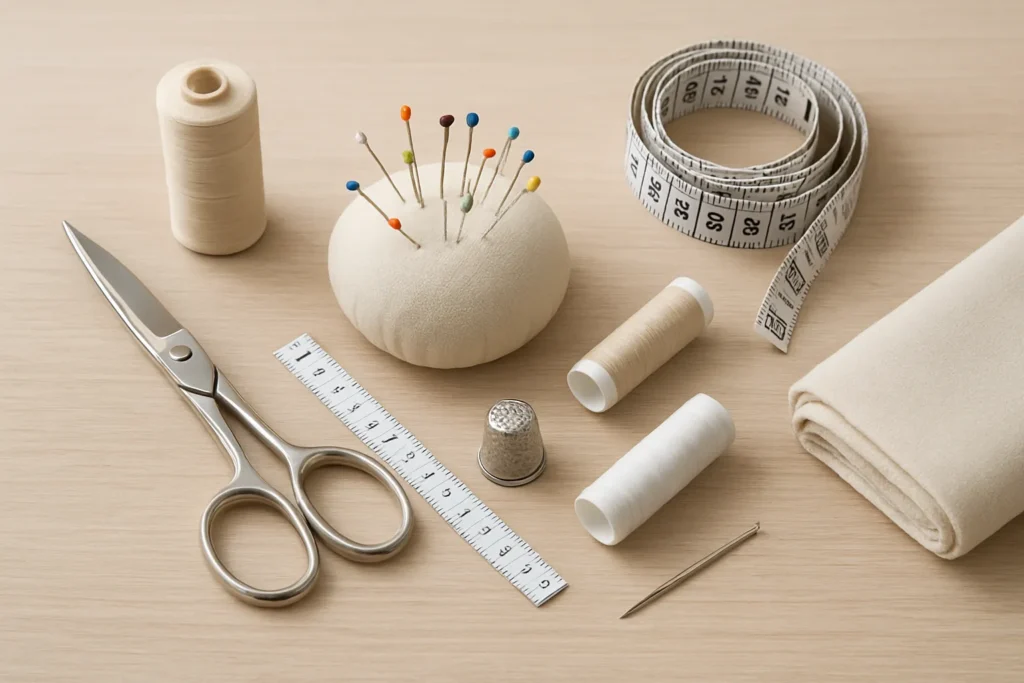
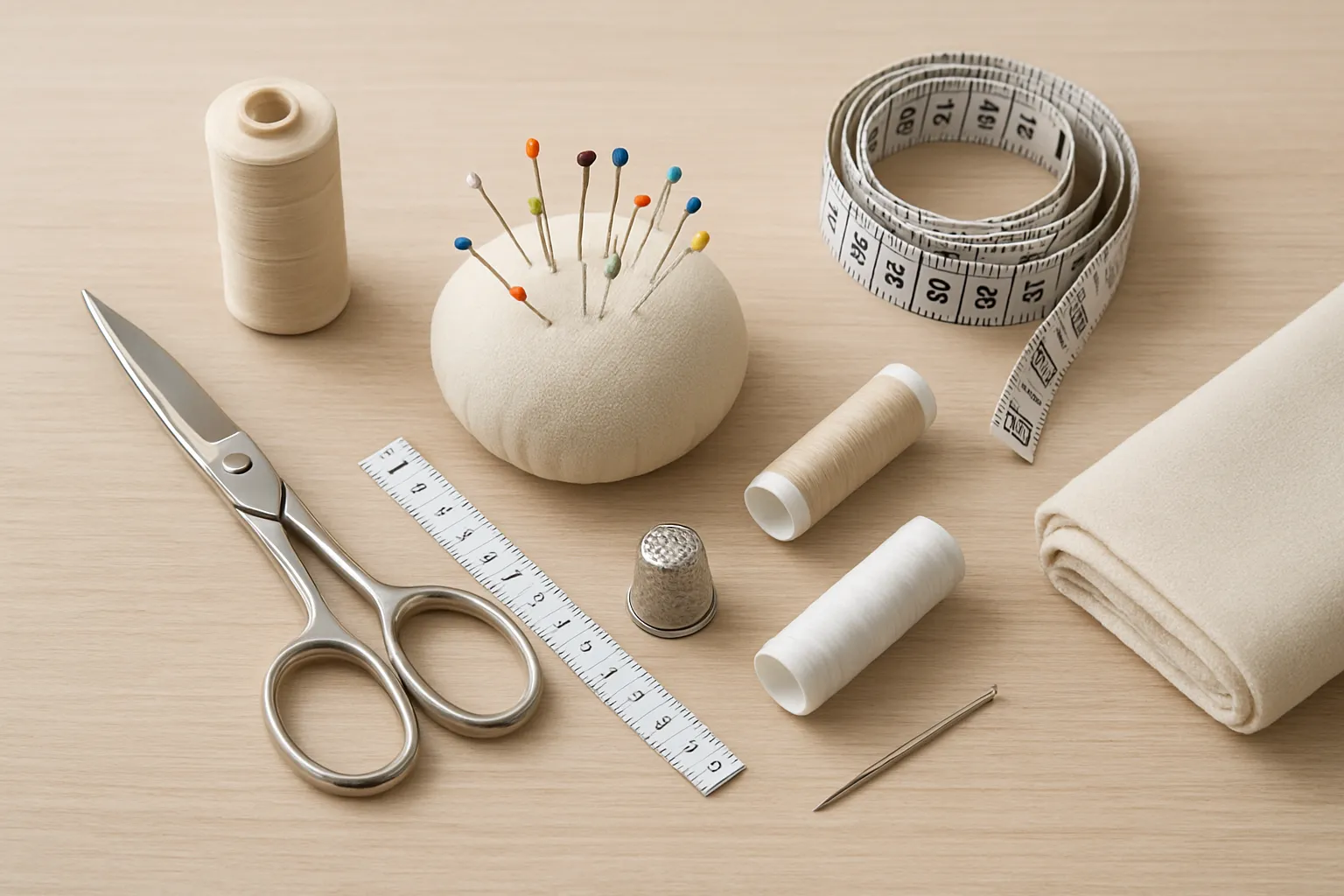
A beginner sewing kit should encompass fundamental tools that cover the essentials of sewing. These typically include:
- Needles: Various types for different fabrics and techniques.
- Scissors: Sharp and precise for cutting fabric.
- Measuring tape: For accurate measurements.
- Pins: To hold fabric pieces together during sewing.
- Seam ripper: For correcting mistakes.
Fabric and Thread Selection
Choosing the right fabric and thread is critical for any sewing project. I recommend that beginners start with cotton fabrics, which are generally easy to work with and forgiving for new sewists. When selecting thread, opt for polyester or cotton blends, as these provide strength and versatility.
Additional Accessories
In addition to the basic tools, several accessories can significantly enhance a beginner’s sewing experience. These include:
- Fabric markers: For marking patterns and measurements.
- Iron and ironing board: Essential for pressing seams and ensuring a polished finish.
- Sewing machine (if applicable): While not mandatory, a machine can greatly speed up the sewing process.
Specifications of Essential Tools
Types of Needles and Their Uses
Understanding the different types of needles is crucial for beginners. Universal needles are versatile and suitable for most fabrics, while ballpoint needles are designed for knit fabrics. For delicate materials, a fine needle is recommended. Having a variety of needles in your sewing kit ensures you can tackle different projects with ease.
Scissors: Choosing the Right Pair
Investing in high-quality scissors is paramount. Fabric scissors should be sharp and specifically designed for cutting fabric to ensure clean edges. Additionally, having a pair of thread snips can help with quick cuts and finishing touches.
Measuring Tools: Importance and Types
Accurate measurements are the backbone of any sewing project. A measuring tape is essential for taking body measurements and checking fabric lengths. A clear ruler can also be beneficial for cutting straight lines and measuring smaller pieces.
Use Cases for Sewing Kits
Common Projects for Beginners
Beginners can start with simple projects such as pillowcases, tote bags, or basic clothing items. These projects allow new designers to practice essential skills like cutting, sewing seams, and finishing edges.
How Different Tools Enhance Creativity
The right tools can significantly enhance a beginner’s creativity. For instance, fabric markers enable designers to sketch patterns directly onto fabric, while various types of needles allow for experimenting with different stitches and techniques.
Practical Applications in Design
Sewing kits are not just for hobbyists; they are invaluable in professional design settings as well. Designers can use their kits to create prototypes, make alterations, or produce small batches of garments. From what I have seen, understanding how to effectively utilize a sewing kit can elevate a designer’s work quality and efficiency.
Comparing Different Sewing Kits for Beginners
Budget-Friendly Options
For those just starting, budget-friendly sewing kits are widely available. These kits typically include the basic tools needed to get started without breaking the bank. They are perfect for beginners who want to test their interest in sewing before investing in more comprehensive tools.
Comprehensive Kits vs. Basic Kits
Comprehensive sewing kits offer a wide range of tools and accessories, making them ideal for those who plan to explore various sewing techniques. Basic kits, on the other hand, provide just the essentials, which may be sufficient for beginners focused on mastering foundational skills.
Brand Comparisons and Recommendations
When selecting a sewing kit, it’s essential to consider reputable brands known for quality tools. Brands like Singer, Brother, and Janome offer reliable sewing kits that cater to beginners and include a variety of essential tools.
Sourcing Your Sewing Kit
Where to Buy Sewing Kits
Sewing kits can be purchased from various sources, including craft stores, fabric shops, and online retailers. Each option has its advantages, depending on personal preferences and convenience.
Online vs. Local Retailers
Online shopping offers the convenience of browsing a wide selection of sewing kits from the comfort of your home. However, local retailers allow for hands-on inspection of tools and immediate purchase. Weighing the pros and cons of each can help beginners decide the best purchasing method for their needs.
Evaluating Quality and Value
When sourcing a sewing kit, it’s crucial to evaluate the quality of the tools included. Reading reviews and comparing different kits can help beginners find the best value for their investment. In my opinion, prioritizing quality over quantity ensures that the tools will last and perform well.
Implementing Your Sewing Kit in Design Projects
Tips for Organizing Your Kit
An organized sewing kit can significantly enhance efficiency. Consider using clear containers or pouches to separate tools and accessories. Labeling each section can also help beginners quickly find what they need, reducing frustration during projects.
Best Practices for Using Tools
Familiarizing oneself with the proper use of each tool is essential for a successful sewing experience. Beginners should practice using their tools on scrap fabric before starting on actual projects. This practice can build confidence and ensure better results.
Maintenance and Care for Your Sewing Kit
To prolong the life of your sewing kit, regular maintenance is necessary. Keep scissors sharp, clean your sewing machine regularly, and store needles safely. Proper care ensures that tools remain in excellent condition and ready for use.
Frequently Asked Questions
What Should Be Included in a Beginner Sewing Kit?
A beginner sewing kit should include essential tools such as needles, scissors, measuring tape, pins, and a seam ripper, along with fabric and thread suitable for practice.
How to Choose the Right Sewing Kit for Your Needs?
When choosing a sewing kit, consider your sewing goals, the types of projects you want to undertake, and your budget. A kit that offers versatility and quality tools will serve you well as you develop your skills.
Can I Build My Own Sewing Kit?
Absolutely! Building your own sewing kit allows for customization based on personal preferences and specific project needs. This approach can also be cost-effective, as you can select only the tools you require.
In conclusion, a well-equipped beginner sewing kit is an essential investment for aspiring designers. By understanding the key components, sourcing the right tools, and implementing best practices, new sewists can embark on their creative journey with confidence. Whether you choose a comprehensive kit or build your own, the right tools will empower you to express your creativity and develop your skills in the art of sewing.