
Button Tab RFQs: Define the Garment Interface
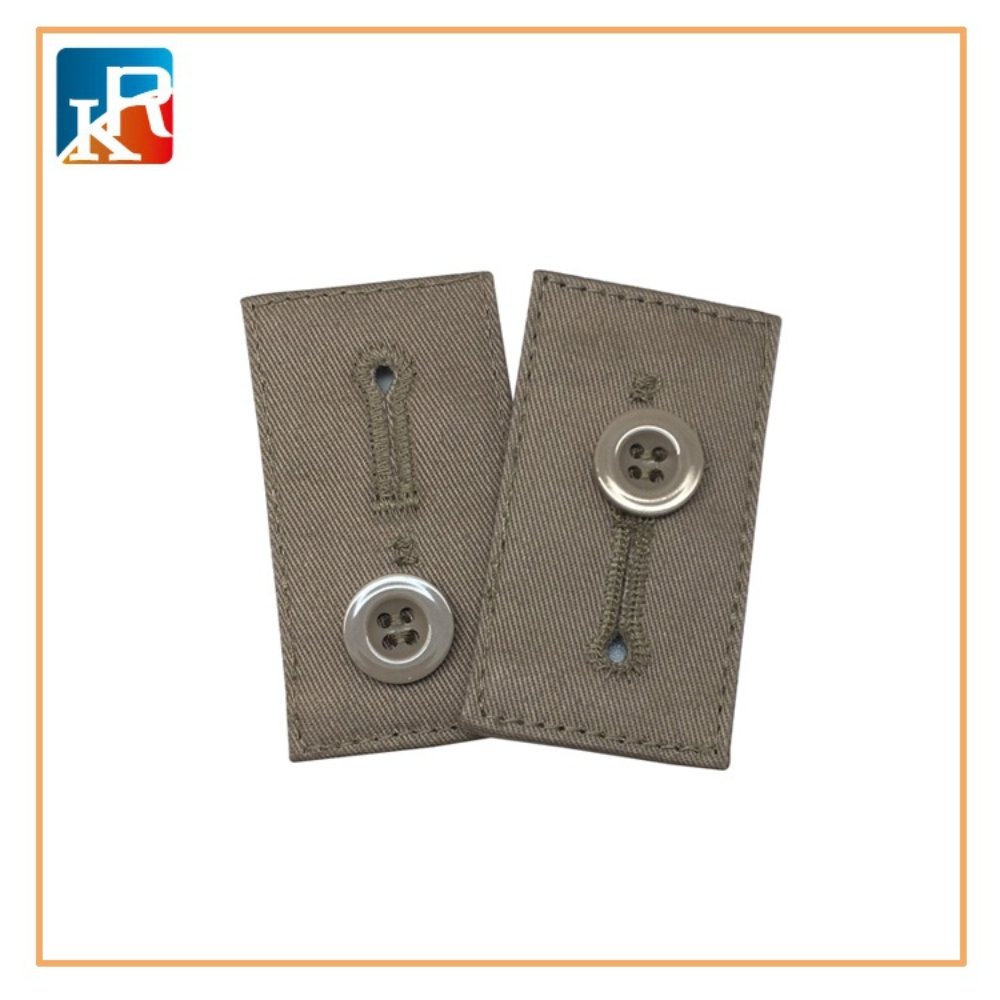
The front view identifies visible features but does not establish the reverse construction or mounting method.
A button-tab RFQ should identify the actual garment fastening and ask the supplier to explain how the offered tab is intended to connect to it. Map the host button or opening, the tab features and any attachment information still missing. Request relevant reverse views or a drawing before assuming compatibility. A front catalogue photograph of a button and elongated opening does not establish the installation method or a working adjustment range.
The Kangrui Jeans Adjustable Button gallery shows rectangular tabs with visible buttons and elongated openings. It also includes a view of individually wrapped tabs. These images can identify the offered accessory family, but they do not show a tab installed on the buyer garment. Procurement therefore needs an interface brief that connects the accessory request to an actual host fastening without inventing hidden construction.
Identify the host garment before proposing a connection
Record the garment reference and the fastening area the buyer wants to discuss. Provide an appropriate photograph or sketch of that area with orientation clear. A general description such as suitable for jeans leaves the supplier to infer the particular button, opening and surrounding fabric arrangement. The intended host should remain identifiable even when the accessory and garment are reviewed by different teams.
State what the buyer wants the connection to accomplish as a request, not as a performance already demonstrated by the accessory. Ask the supplier to confirm the proposed use and any qualification. Do not promise a size extension, a fit range or suitability for every wearer from the product name. Any applicable user, garment or market requirement needs its own responsible review.
Map visible tab features to the proposed counterpart
Give the visible button and elongated opening separate location labels in the interface brief. Ask the supplier which host feature is intended to relate to each. Keep that explanation alongside the selected product reference. Do not infer the entire connection sequence because a front view seems familiar. The rear construction and any unseen attachment area remain open until the relevant evidence is provided.
If dimensions are needed, mark the requested endpoints on the drawing and ask for the actual offered values and units. A button diameter, opening span or distance between features should not be estimated from a perspective photograph. Keep the garment-side information separate from the accessory-side information so a reviewer can see which value belongs to which component and which remains unconfirmed.
A colour alternative does not demonstrate another garment connection or verified adjustment range.
Identify one real garment reference and fastening area.
Map host and accessory features without filling in hidden construction.
Keep the supplier proposal separate from observed sample evidence.
Request evidence that answers the missing connection question
Ask for the specific reverse view, component detail or supplier drawing needed to explain the proposed attachment. A second colour photograph can confirm which appearance is being discussed, but it cannot resolve an unseen rear detail. The wrapped-tab view similarly identifies a presentation; it does not show the connection to the garment or confirm which installation information will accompany an order.
Where a physical review is appropriate, identify both the offered accessory sample and the garment sample used. Record who performed the review, the agreed scope and the observation actually made. Leave any unperformed fitting or functional requirement pending. This article supplies no attachment instructions, pull-force threshold or cycle test and does not report a successful trial for these catalogue products.
Interface field
Buyer provides or requests
What remains separate
Host garment
Reference and fastening-area view
General claims about all jeans
Tab features
Button/opening location labels
Unseen reverse or attachment details
Dimensions
Defined endpoints and actual offered values
Pixel estimates or assumed fit ranges
Sample review
Both identities, method and limited observation
Appearance approval and unperformed tests
Release the interface record with limited decisions
Use a response table that separates the buyer request, supplier proposal and confirmed observation. An explanation of the intended connection is not the same as an observed sample result. Likewise, an accepted colour combination does not settle counterpart dimensions or mounting details. Identify the unresolved question precisely rather than signing off the complete accessory with an unexplained approved label.
If the supplier proposes a changed button, opening or tab arrangement, preserve the original interface reference and record which counterpart questions need review again. Bind the accepted record to the actual offered revision. The purchasing output should explain the connection information that has been established and the evidence still required. It does not certify compatibility with unexamined garments, durability, safety or a universal adjustment result.
Individual sleeves are a catalogue presentation, not evidence of supplied installation instructions or garment compatibility.
Frequently Asked Questions
Does the word adjustable specify a fit range?
No range should be inferred from the name. Request the relevant offered information and review it against the actual garment requirement.
Can a front photograph establish the mounting method?
It shows visible features. Obtain the missing reverse, attachment or drawing evidence before treating the connection as defined.
Does an individually wrapped tab prove installation support?
No. Packaging presentation does not establish supplied instructions, connection details or a successful garment trial.
Can the colour approval replace this interface record?
No. Appearance and counterpart information answer different purchasing questions and should remain distinguishable even when linked to the same offer.
Identify the accessory through the current button-tab catalogue page. Read the supplier blog and contact Kangrui with a garment reference, the counterpart map and the missing evidence requests.
#GarmentAccessories #ButtonTabs #InterfaceRFQ #AttachmentEvidence #B2BProcurement