
A Comprehensive Guide to Quality Sewing Thread Sets for Projects
In the realm of sewing, the choice of sewing thread sets plays a pivotal role that can’t be overlooked. The right thread not only influences the quality of your finished product but also its durability. Whether you’re a seasoned tailor, an aspiring fashion designer, or a manufacturer, grasping the intricacies of sewing threads is vital for achieving the best outcomes. This guide aims to provide insights into the various types of sewing threads available, empowering you to make informed choices that elevate your sewing projects.
Understanding Sewing Thread Specifications
When it comes to selecting a sewing thread set, there are several specifications that should be taken into account to ensure compatibility with your sewing supplies and tools.
- Material Composition: The thread’s material impacts its strength, elasticity, and appropriateness for various fabrics. Common options include cotton, which offers softness and breathability; polyester, recognized for its strength and shrinkage resistance; and nylon, celebrated for its remarkable elasticity. Understanding these materials is crucial for selecting the right thread for your specific project needs.
- Thread Weight and Thickness: Thread weight significantly affects the appearance and durability of stitches. Typically measured in denier or tex, lighter threads are suited for delicate fabrics, while heavier threads are ideal for robust materials. A frequent error is using a thread that is too thick for the fabric, leading to puckering or uneven seams.
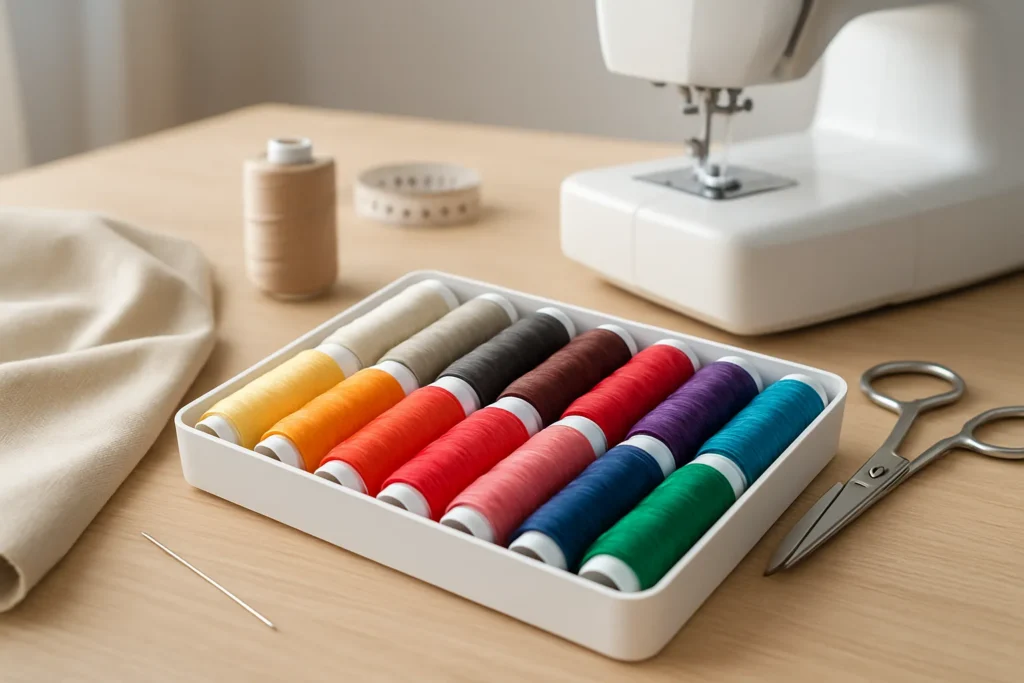
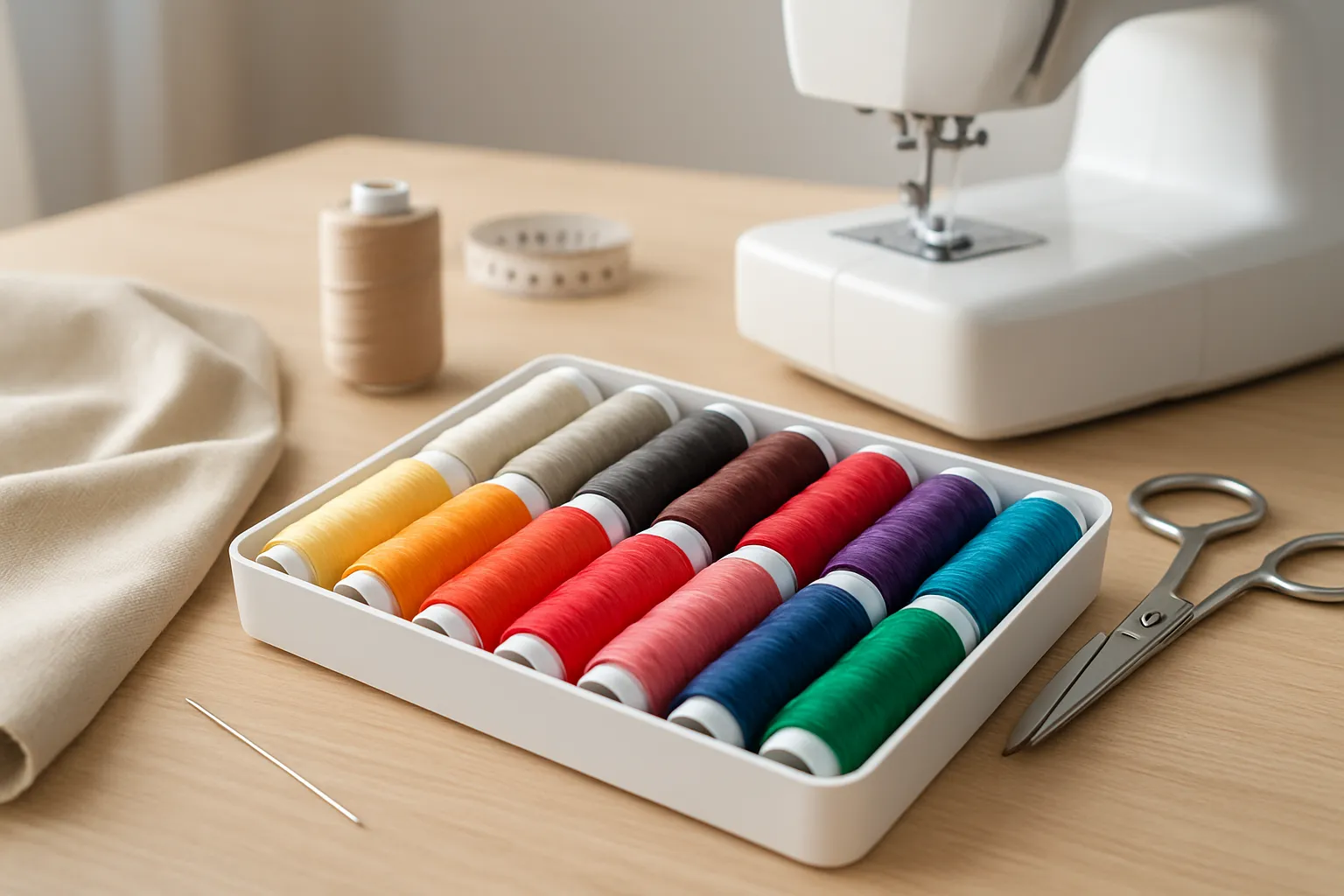
- Color Options and Dye Fastness: The color of the thread can enhance a project’s visual appeal. It’s essential to consider dye fastness, especially for items that will undergo frequent washing. Quality threads should retain their color after repeated laundering. A wide array of colors in a sewing thread set allows for greater creativity and flexibility in design.
Use Cases for Different Thread Sets
Recognizing the specific use cases for various thread sets can guide professionals in making the right choice for their projects.
- Industrial vs. Domestic Sewing: Industrial sewing typically requires heavy-duty threads that can endure high-speed sewing and heavy fabrics, while domestic sewing often utilizes lighter threads suitable for garments and home décor. Choosing the appropriate thread based on sewing application is crucial for achieving the desired results.
- Specialty Threads for Specific Fabrics: Certain fabrics necessitate specialty threads for optimal performance. For example, using a silk thread for silk fabrics maintains the fabric’s sheen and drape, whereas a heavy-duty thread is recommended for upholstery projects. Understanding fabric compatibility leads to better outcomes.
- Thread Selection for Different Projects: Various projects may require differing thread characteristics. Quilting, for instance, often benefits from a thicker thread for added durability, while intricate embroidery demands finer threads for precision. Assessing the project’s requirements will assist you in selecting the most suitable sewing thread set.
Comparative Analysis of Sewing Thread Sets
When selecting a sewing thread set, comparing brands and products can yield valuable insights.
- Brand Comparisons: Not all sewing thread brands are created equal. Established brands often boast a reputation for quality and consistency. Researching brand reviews and testimonials can help you identify reliable options that meet your quality standards.
- Price vs. Quality Analysis: While it may be tempting to choose the least expensive option, it’s vital to weigh the balance between price and quality. Higher-quality threads may come at a premium but can save money in the long run by minimizing breakage and ensuring durability.
- Performance Metrics: Assessing performance metrics such as tensile strength, elongation, and colorfastness can provide a clearer understanding of a thread’s reliability. Conducting tests on sample threads can help gauge their performance in real-world applications.
Sourcing Quality Sewing Thread Sets
Finding the right supplier for your sewing thread sets is essential for maintaining a consistent supply of quality materials.
- Where to Buy: Online vs. Local Suppliers: Both online and local suppliers present unique advantages. Online platforms often offer a broader selection and competitive pricing, while local suppliers provide immediate access and personalized service. Consider your business needs when deciding on sourcing.
- Evaluating Supplier Reliability: Reliability is key when selecting a supplier. Seek out suppliers with a solid reputation, positive customer reviews, and a history of consistent product quality. Building a good relationship with your supplier can lead to better deals and support.
- Bulk Purchasing Considerations: For businesses requiring large quantities of thread, bulk purchasing can yield significant cost savings. However, evaluate the shelf life and storage conditions of the thread to prevent degradation over time.
Implementation Strategies for Sewing Thread Sets
Once you’ve sourced your sewing thread sets, proper implementation is crucial for maximizing their benefits.
- Best Practices for Thread Storage: Store threads in a cool, dry place away from direct sunlight to prolong their lifespan. Using thread organizers can help prevent tangling and damage, ensuring your threads remain in optimal condition for use.
- Compatibility with Sewing Machines: Before using a new thread, check its compatibility with your sewing machine. Different machines may require specific thread types or weights, so it’s wise to consult your machine’s manual for guidance.
- Maintenance Tips for Longevity: Regularly clean your sewing machine and ensure it is well-maintained to avoid thread breakage and other issues. Additionally, avoid using old or expired threads, as they may not perform as effectively as fresh ones.
Frequently Asked Questions
- How do I choose the right thread for my project? Consider the fabric type, project requirements, and desired finish. Align the thread weight and material with the fabric for the best results.
- What are common mistakes to avoid? Avoid using the wrong thread weight, neglecting to test thread compatibility with your machine, and overlooking dye fastness.
- How do I know when to replace my thread? If you notice fraying, breakage, or inconsistent stitching, it may be time to replace your thread. Threads stored for extended periods may lose their effectiveness.
In summary, selecting the right sewing thread set is a fundamental aspect of any sewing project. By understanding the specifications, use cases, and sourcing options, professionals can make informed decisions that significantly enhance their work quality. With careful consideration and implementation, the right thread can indeed make all the difference in achieving exceptional results.