
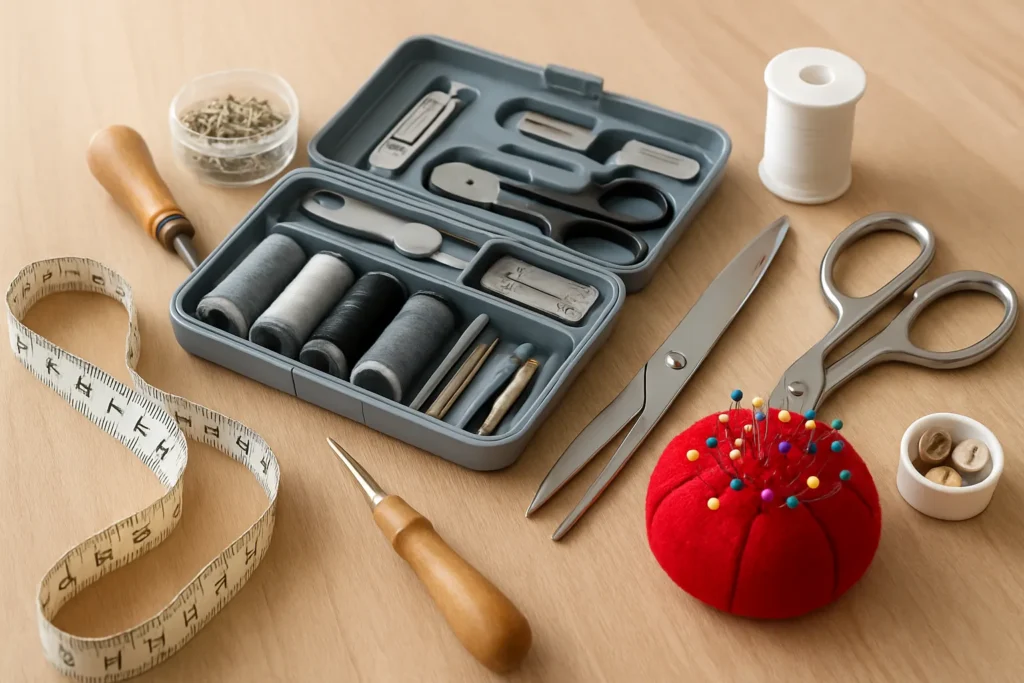
DIY Tool Kits: Essential Supplies for Your Sewing Projects
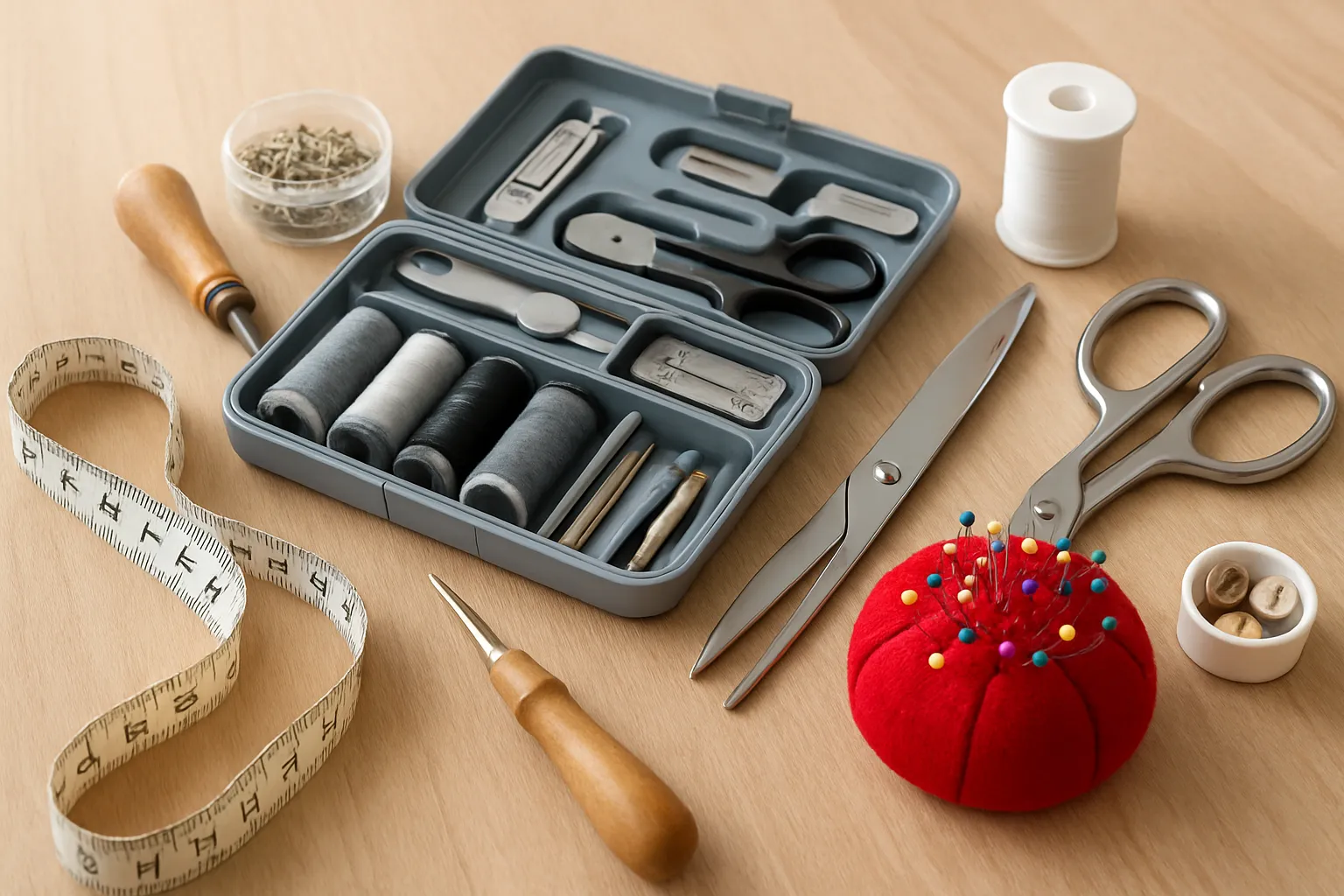
In the realm of sewing, having the right tools can dramatically affect the quality and efficiency of your projects. DIY tool kits are thoughtfully curated collections of essential supplies and equipment designed to support sewing enthusiasts, whether they are just starting out or are seasoned professionals. These kits not only streamline the process of gathering materials but also ensure that you have everything you need to take on a variety of sewing endeavors.
The significance of DIY tool kits in sewing projects cannot be overstated. They provide an accessible way to obtain a wide range of sewing supplies, from basic items like needles and threads to specialized tools such as rotary cutters and seam rippers. Investing in a well-rounded DIY tool kit can greatly enhance your sewing experience, making it more enjoyable and productive.
Key Components of a DIY Tool Kit
A comprehensive DIY tool kit should include essential sewing supplies that cater to a variety of projects. Here are some key components that are typically included:
- Sewing Machine: The cornerstone of most sewing projects; a reliable machine can truly make or break your experience.
- Needles and Threads: A variety of needles (universal, ballpoint, and quilting) and threads in different colors and materials are vital for any project.
- Fabric Scissors: High-quality scissors are crucial for clean cuts and precise fabric handling.
- Measuring Tools: A measuring tape and rulers ensure accurate measurements, which are critical for successful sewing.
- Pins and Clips: These help secure fabric pieces together before stitching, preventing shifts during sewing.
Depending on the complexity and type of sewing project, specialized tools may also be necessary. For instance:
- Rotary Cutters and Mats: Ideal for quilting and crafting, these tools offer precision and ease of use.
- Seam Rippers: Essential for correcting mistakes, seam rippers are a must-have in any sewing kit.
- Marking Tools: Fabric chalk and markers help in transferring patterns accurately.
When assembling a DIY tool kit, it’s essential to strike a balance between quality and cost. Investing in high-quality tools can significantly enhance your sewing experience and their longevity. Budget-friendly options may suffice for occasional use. Always consider how often you will use the tools and the potential for wear and tear when making your selections.
Use Cases for DIY Tool Kits in Sewing
For hobbyists and those who enjoy creating garments or home decor, a DIY tool kit is indispensable. Whether it’s sewing curtains, making clothing alterations, or crafting quilts, having the right supplies readily available streamlines the process and boosts creativity.
On the other hand, tailors and seamstresses working in a professional capacity require a more extensive toolkit. They often need specialized tools for intricate designs and fabrics, making a comprehensive DIY tool kit essential for efficiency and quality. The right tools at hand can significantly reduce turnaround times and improve client satisfaction.
The crafting movement has gained momentum, with many individuals seeking to upcycle old garments or create unique pieces from scratch. A well-equipped DIY tool kit can facilitate these creative endeavors, providing the necessary supplies to transform ideas into reality.
Comparing DIY Tool Kits
When it comes to DIY tool kits, you have the option of purchasing pre-packaged kits or creating a custom kit tailored to your specific needs. Pre-packaged kits are convenient and often provide a good variety of essential supplies. However, custom kits allow for more personalization, enabling you to select only the tools and supplies you will actually use.
Different brands offer varying quality and features in their DIY tool kits. Researching and comparing brands can help you find the best options that fit your specific sewing needs. Look for reputable brands known for their durability and customer service.
Price points for DIY tool kits can vary widely. It’s crucial to assess what you are getting for your investment. Higher-priced kits may offer superior quality and a more extensive range of tools, while budget-friendly options may be suitable for beginners or casual users.
Sourcing Your DIY Tool Kit
DIY tool kits can be found in various places, including craft stores, specialty sewing shops, and online retailers. Each option has its benefits, from the tactile experience of shopping in-store to the convenience of online browsing.
When sourcing your DIY tool kit, it’s important to evaluate suppliers based on their reputation, product range, and customer service. Reading reviews and seeking recommendations can help you make informed decisions.
Both online and local retail options have their advantages. Online shopping often provides a wider selection and competitive pricing, while local stores allow you to see and handle the products before purchasing. Consider your needs and preferences when deciding where to buy.
Implementing Your DIY Tool Kit
Once you have assembled your DIY tool kit, organization is key. Use storage solutions such as bins, drawers, or toolboxes to keep your supplies easily accessible and in good condition. Labeling items can also help streamline your workflow.
To maximize the effectiveness of your DIY tool kit, follow best practices such as regularly checking your supplies for depletion, cleaning tools after use, and storing items properly. This will ensure your tools remain in optimal condition for future projects.
Proper maintenance of your tools is essential for longevity. Regularly oil your sewing machine, sharpen scissors as needed, and replace worn-out needles to maintain performance. Taking care of your tools will enhance your sewing experience and reduce costs in the long run.
Frequently Asked Questions
What to Look for in a DIY Tool Kit?
When choosing a DIY tool kit, look for a comprehensive selection of essential supplies, high-quality tools, and the ability to customize based on your specific projects.
How to Choose the Right Supplies for Your Project?
Consider the type of project you are undertaking. Research the specific tools and materials required, and ensure your DIY tool kit is equipped accordingly.
Can DIY Tool Kits Save Money?
Yes, DIY tool kits can save money by providing a cost-effective way to acquire all necessary supplies in one purchase, often at a lower price than buying items individually.
Conclusion
In conclusion, a well-assembled DIY tool kit is an invaluable asset for anyone engaged in sewing projects. By understanding the key components, use cases, and sourcing options, you can enhance your sewing experience and ensure that you are well-equipped for any project that comes your way. Investing in quality supplies and tools not only improves the outcomes of your sewing endeavors but also fosters creativity and efficiency in your work. Whether for home use or professional tailoring, the right DIY tool kit can make all the difference.