
Sewing Kit Weight: Define the Weighed Assembly
What does a sewing kit weight need to identify? It needs an exact kit reference and a clear list of what was on the weighing equipment: the selected components, case and any included packaging. Ask whether the supplier means a complete kit, a packed selling unit or another stated assembly. Keep the measurement result and its conditions together. A catalogue weight without that scope cannot reliably answer every purchasing or shipping question.
Official catalogue arrangement for product identity. Ask what the declared weight includes; the loose layout does not define an accepted weighed assembly.
Read the weight field together with the product name
Kangrui lists an item named 86-Piece Multi-Function Sewing Kit, Gross, with a field reading Weight: 135g. That is an observed supplier catalogue declaration. The saved listing does not explain the assembly and packing included in the figure, so this guide does not treat it as an independently measured net or shipping weight.
The product name and the field should prompt a definition request. Ask the supplier which offered kit version the declaration covers and what it means by gross in this context. A buyer should not silently reinterpret the number as the mass of loose tools, the complete closed kit or a retail-ready package.
Keep this task separate from reconciling the advertised piece count and specifying thread length. Those questions identify different properties. A list of components helps describe the specimen, but a count does not establish its weight; an overall weight likewise does not establish how much thread is supplied on a spool.
Buying field
Requested supplier response
Kit reference
Exact offered model, version and sample identifier linked to the declaration.
Weighed assembly
Supplier list of components, case and other items present during measurement.
Packing state
Whether labels, sleeves, inserts or other packaging are included, excluded or separately reported.
Measurement basis
Units, equipment or procedure reference, stated conditions and recorded result.
Quantity basis
Whether the figure concerns an individual kit, a selling pack or another explicitly defined unit.
Acceptance proposal
Supplier-proposed review method and criteria for buyer agreement, without an invented tolerance.
Define a specimen that both parties can identify
Start with the actual offered sample rather than an unrelated catalogue kit. Ask the supplier to identify its case and the component schedule used for the weighing record. If several kit versions are available, a generic family name is not enough to show which version produced the stated result.
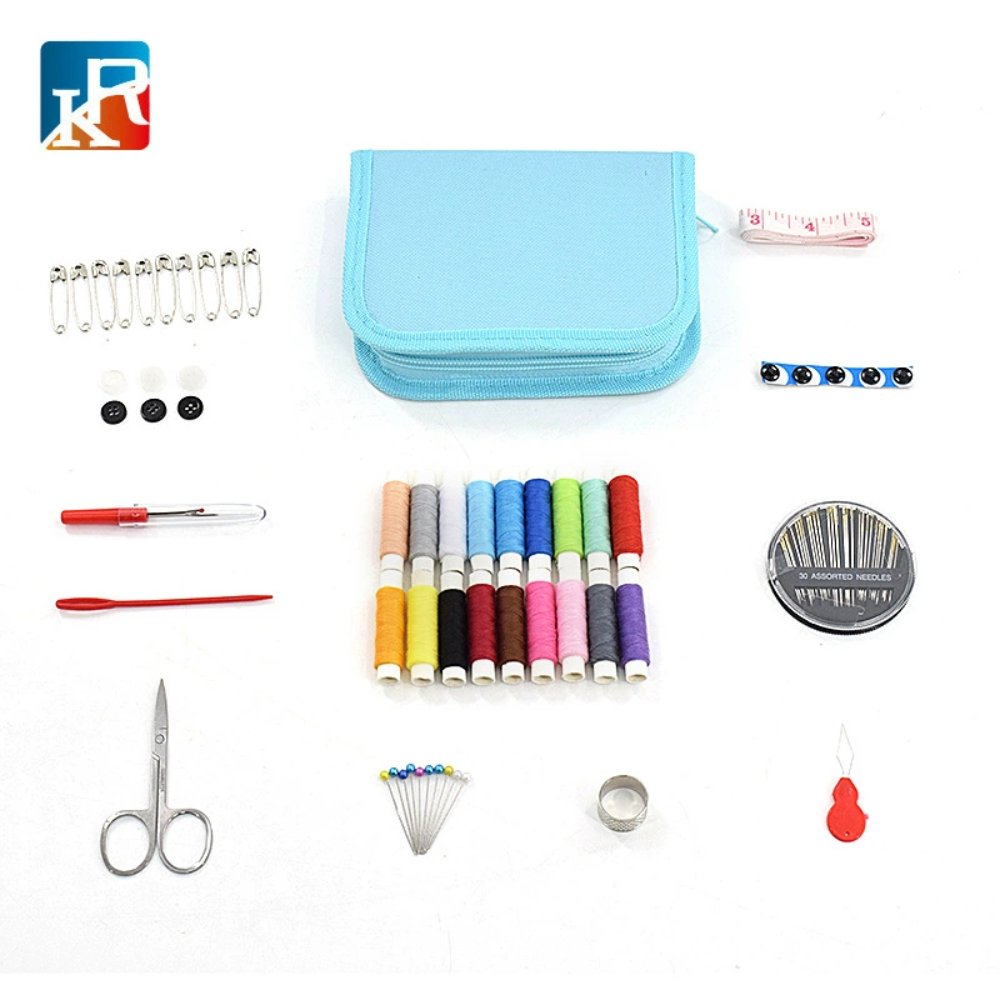
The official images show open and closed blue-case presentations with tools or spools displayed around them. Use those scenes to identify the enquiry. They do not establish that every loose display item is an extra supplied component or that the photographed arrangement is the assembly used for weighing.
Ask for a concise description or photograph of the weighed assembly where useful. It should make the inclusion decisions understandable without asking the buyer to reconstruct them from a marketing layout. Retain the supplier response with the sample reference so that a later comparison concerns the same product configuration.
Official open-case reference. Confirm case and component scope rather than inferring net or gross weight from appearance.
Separate the kit, selling pack and outer shipment
Purchasing and logistics may need different weight records. Ask which record concerns the kit itself, which includes the proposed selling pack and which concerns the outer shipping unit. These descriptions need explicit inclusion lists rather than an assumption that every use of net or gross carries the same meaning.
If packaging is included, ask the supplier to identify the relevant packing version. If it is excluded, ask where the separate packaging information is recorded. An unconfirmed sleeve, insert or display box should not be added to the kit specification merely because the buyer expects retail presentation.
Do not calculate a shipment weight by multiplying an unclear catalogue figure and present the result as confirmed. Ask for the actual packing schedule and the applicable shipment record. The supplier can then explain how the kit count, packed units and outer packing relate to the figures provided.
Request a measurement record with a defined purpose
Ask what procedure or equipment reference supports the declaration and what conditions are stated in the record. The purpose is to make the supplier response understandable and repeatable for the agreed specimen. This article does not prescribe a test standard or claim that a factory measurement has been independently checked.
Where acceptance criteria are needed, request the supplier’s proposal for review. Do not create a tolerance, sample quantity or passing result from a catalogue field. The order file should distinguish the original declaration, the supplier measurement record and any buyer-agreed acceptance requirement.
If a buyer obtains a different result, compare the specimen, inclusion list, packing state and units before drawing a conclusion. Record what differs and request an identified explanation. Removing an item from the assembly to reproduce a preferred number would conceal the purchasing question instead of resolving it.
Official expanded catalogue display. Displayed loose parts do not establish extra supplied contents or a verified weight.
Link the approved weight basis to the order
Retain the product version, component and packing scope, measurement reference and accepted wording together. This gives the quotation reviewer and receiving team a shared description of what the figure covers. It also makes any unresolved field visible before someone reuses the number in another document.
When the kit contents, case or packing arrangement changes, ask whether the earlier weight basis remains applicable. Preserve the previous record as history and identify the proposed replacement. A visually similar kit should not automatically inherit a measurement linked to a different assembly.
Use the approved definition for the purpose it actually covers. A kit-level declaration does not by itself confirm a carton-level freight record, and a supplier measurement does not establish unrelated material or performance claims. Clear scope helps the buyer request the remaining information efficiently.
Buyer FAQ
Does the listed weight establish a verified net mass?
No. It is a supplier catalogue declaration whose assembly and packing basis need clarification.
Can the product photograph define everything included?
No. Displayed loose components identify a catalogue scene; request the actual offered contents and weighed assembly.
Is the overall weight enough to specify thread quantity?
No. Per-spool thread length and component count are separate purchasing fields.
Should a buyer invent a weight tolerance?
Ask the supplier to propose its measurement and acceptance approach, then agree the required scope.
What belongs in the order file?
The exact kit reference, inclusion list, packing state, measurement record and accepted declaration wording.
Use the actual 86-piece sewing-kit catalogue reference and request the supplier information for your offered version. The Kangrui purchasing blog covers related sample and quotation questions.
Identify the assembly behind the declared weight.
Separate kit, selling-pack and shipment records.
Keep the approved basis linked to the offered version.
wholesale thread kitsB2B supplier sample record